Can Data Analytics Predict Which TikTok Videos Will Get the Most Likes?
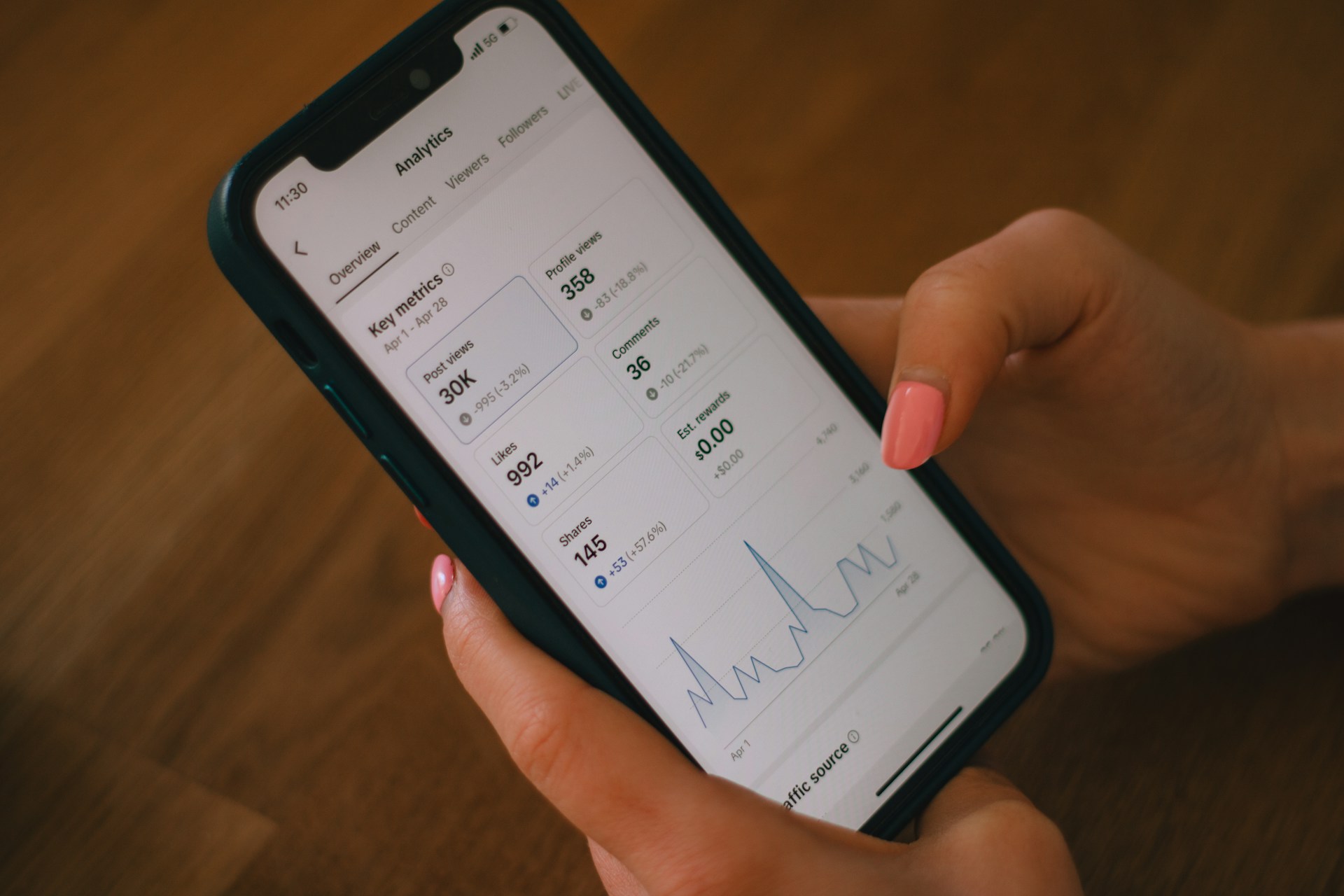
TikTok is more than a social platform. It has become a global stage where short videos can launch careers, drive sales, and spark cultural trends. Likes are the most visible marker of success. They influence how creators are judged, how brands select influencers, and how the algorithm amplifies content. Many users look for ways to boost TikTok likes quickly, but the question is whether data analytics can predict which videos will achieve the most likes before they go viral.
The Role of Machine Learning

Machine learning gives data analytics its predictive edge. Algorithms train on millions of past videos, learning which combinations of factors lead to high like counts. Over time, these models grow sharper. They can detect subtle indicators that human observers might miss. A certain style of editing, for instance, could be linked to stronger responses. While predictions are not perfect, they provide guidance for creators and marketers aiming to maximize reach.
Why Predictions Are Tricky
Despite advances, predicting likes is not an exact science. Human behavior remains unpredictable. A unique video can break patterns and outperform expectations. Cultural context also plays a role. Content that resonates in one region may fall flat in another. Virality sometimes emerges from randomness, making it difficult for even the most advanced systems to forecast with utmost accuracy. Analytics improve the odds, but they cannot guarantee outcomes.
Data as the Foundation
Every TikTok video generates massive amounts of data. Views, shares, comments, watch time, and completion rates are tracked in detail. Likes sit at the center of this ecosystem. Analysts treat them as indicators of positive reception. To forecast future likes, systems look for patterns across these variables. Data pipelines collect and store this information so that machine learning models can identify links between engagement metrics and potential popularity.
Signals That Matter
Not all signals carry equal weight. Watch time is critical. If viewers finish a video, the chances of receiving likes rise sharply. Early engagement also matters. Videos that earn rapid likes within the first hour are more likely to snowball. Other factors, such as trending sounds, hashtags, and posting times, feed into predictive models. By combining these signals, analysts attempt to forecast whether a video will perform above average or even reach viral status.
Balances Analytics and Creativity

Creators face a balancing act. Data-driven insights can inform posting strategies, but creativity cannot be replaced. Overreliance on analytics risks producing formulaic content. The most successful TikToks often blend both approaches. Creators use analytics to ensure they reach audiences at the right time and with the right themes. Yet it is originality that sparks emotional responses and drives people to like and share.
Implications for Brands and Marketers
For businesses, predictive analytics holds clear appeal. Brands want to invest in campaigns that deliver results. By studying engagement patterns, marketers can select influencers whose content has a higher chance of generating strong like counts. They can also forecast which product promotions will resonate. However, ethical concerns arise when data collection becomes too intrusive. The balance between effective targeting and user privacy must be respected.
The next wave of analytics will grow more sophisticated. Artificial intelligence may incorporate biometric signals, emotional recognition, and contextual awareness. This will make predictions stronger but also raise new debates about privacy and consent. What is certain is that analytics will remain central to how success is measured on TikTok. Likes will continue to matter, but the methods for forecasting them will evolve. Creators and brands that adapt to this environment will stand the best chance of thriving.